
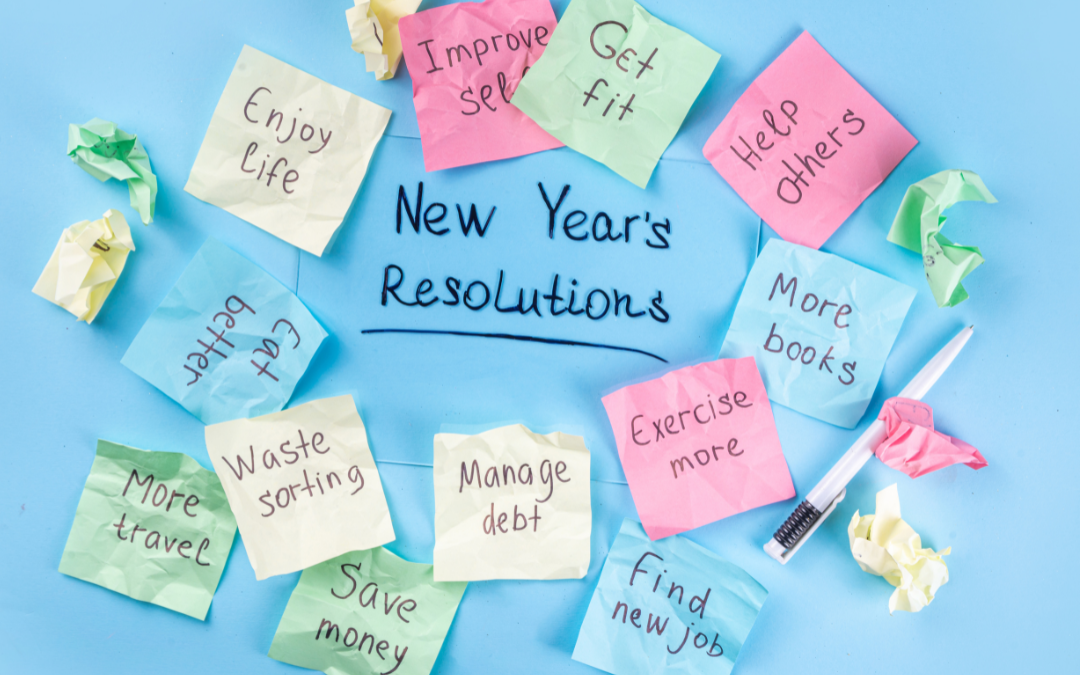
As the clock strikes midnight on December 31st, millions of people around the world celebrate the symbolic transition into a new year. We cheer, we make resolutions, and we embrace the idea of new beginnings. But does the simple act of flipping a calendar page truly signify change? Or is it merely a societal ritual, leaving us the same as we were the day before?
The truth lies somewhere in between. A new year is not an automatic reset button. We don’t wake up on January 1st as entirely new people, nor do our circumstances magically transform. The calendar may provide a fresh framework, but real, lasting change requires intention, effort, and a grounded approach.
The Problem with “New Year, New Me”
The cultural narrative around New Year’s resolutions often sets us up for failure. We create lofty, vague goals (“Get fit” or “Be more productive”), only to abandon them a few weeks later. Why? Because these goals are often:
- Unrealistic: Setting overly ambitious targets can lead to burnout or disappointment.
- Unclear: Vague resolutions lack actionable steps, making them harder to achieve.
- Externally Motivated: Resolutions born from societal pressure rarely align with our deeper values.
When the initial enthusiasm fades, we’re left feeling stressed, guilty, or inadequate—a far cry from the positivity we’d hoped to cultivate.
How to Make Positive, Meaningful Changes
If the turning of the year doesn’t inherently change us, how can we harness this symbolic moment to create meaningful progress in our lives? Here are some practical strategies:
- Reflect, Don’t Reset Instead of trying to reinvent yourself overnight, take time to reflect on the past year. What worked? What didn’t? What lessons can you carry forward? Reflection helps you approach change with a sense of self-awareness rather than pressure.
- Set Intentions, Not Resolutions Shift your focus from rigid resolutions to flexible intentions. For example, instead of saying, “I will go to the gym five times a week,” try, “I intend to move my body more regularly in ways that feel good to me.” Intentions are less about perfection and more about progress.
- Start Small Big changes are built from small, consistent actions. If your goal is to read more, commit to reading one page a day. If you want to improve your health, start by drinking an extra glass of water daily. Small steps are sustainable and build momentum over time.
- Focus on Systems, Not Goals Goals give you direction, but systems keep you moving. If you want to save more money, for instance, create a system like automating a portion of your paycheck into savings. Systems make the process easier and more automatic.
- Practice Self-Compassion Change is rarely linear. There will be setbacks, and that’s okay. Treat yourself with kindness when things don’t go as planned. Remember, progress is more important than perfection.
- Revisit Your Intentions Regularly Life is dynamic, and so are you. Periodically check in with your intentions to ensure they’re still aligned with your values and circumstances. Adjust as needed—growth is an ongoing process.
Moving Beyond the Calendar
Ultimately, a new year is what you make of it. The date on the calendar is merely a marker; the real power lies in your mindset and actions. If the idea of “new beginnings” inspires you, embrace it. If it doesn’t, remember that meaningful change can happen at any time—not just when the clock strikes midnight on January 1st.
So as we step into this new year, let’s trade pressure for purpose, resolutions for reflection, and stress for self-compassion. Change doesn’t happen because the year is new; it happens because you choose to take meaningful steps forward—one day, one moment, one intention at a time.
 practical insanity