63 Years Around The Sun

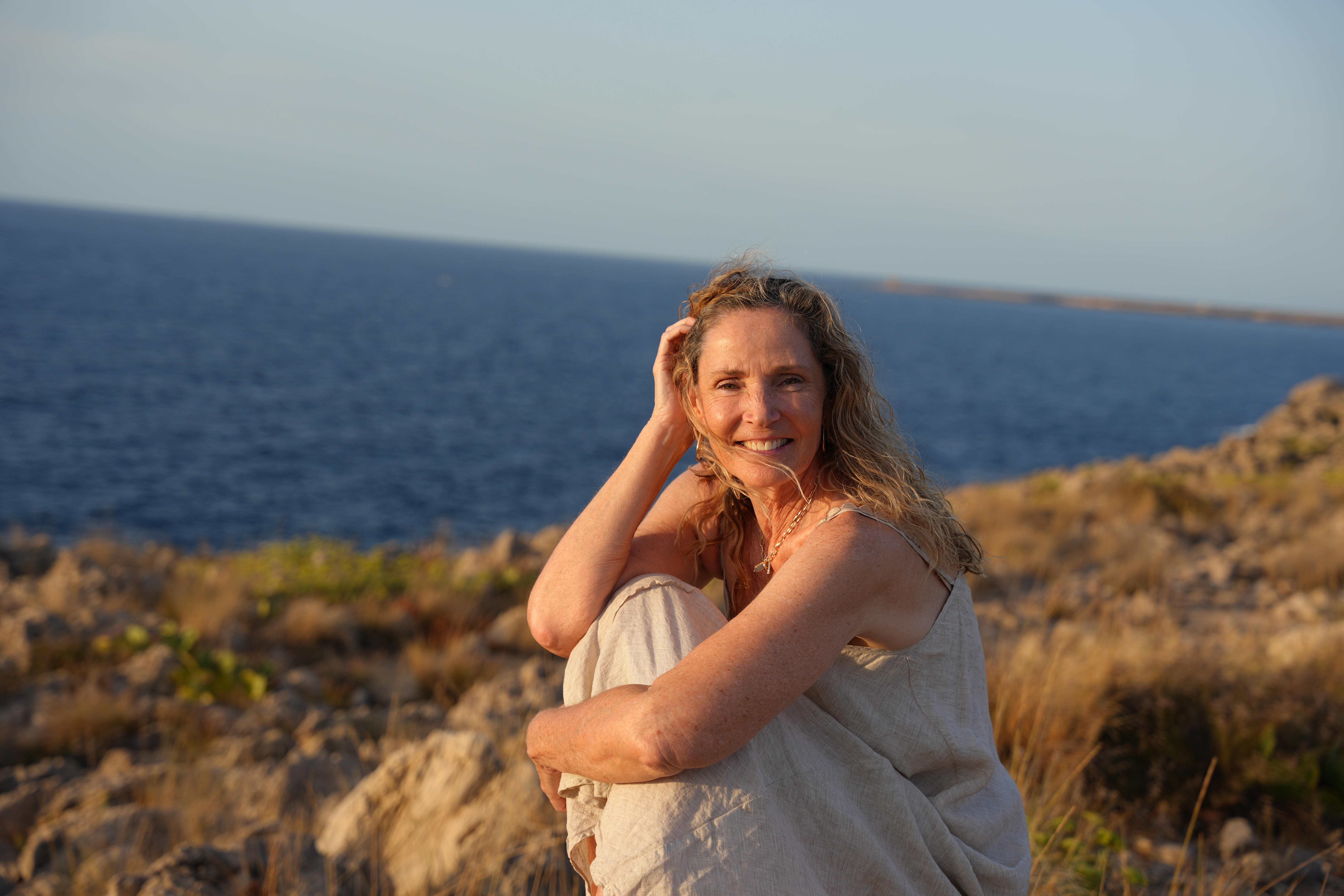
A smiling woman with long, wavy hair sitting on rocks by the ocean, wearing a light-colored outfit, with a scenic seascape in the background.

Today is the last day of September.

My birthday month.

Sixty-three years around the sun.

Which sounds like I should know some things by now.

And I do.

I know how I take my coffee. I know I would rather travel than buy almost anything. I know that comfortable shoes eventually win, no matter how cute the others are. I know that grief can sit right next to joy and neither one has to leave the room. I know that God has been much more patient with me than I have been with myself.

I know a few things.

But at 63, I am also very aware of how much I am still learning.

I am still unfinished.

And strangely, I think that may be one of the best things about getting older.

For years, I think I assumed there would be an age when I would arrive.

You know—there.

The mythical place where I would finally have myself figured out.

I would know exactly who I was. I would stop second-guessing myself. I would have impeccable boundaries. I would no longer replay conversations in my head wondering if I said the wrong thing.

And, obviously, everyone would like me.

That last one is proving particularly stubborn.

Apparently 63 trips around the sun have not completely cured me of wanting approval.

I am working on it.

Because this year I have been thinking a lot about what it means to be unapologetic.

The word can sound aggressive.

Like I am going to storm into a room, knock over a chair and announce that I no longer care what anyone thinks.

That isn’t what it means to me at all.

Unapologetic isn’t rude.

It isn’t hard.

It isn’t selfish.

It isn’t becoming so certain of myself that I stop listening to anyone else.

For me, becoming unapologetic is much quieter than that.

It is finding my voice and actually using it.

It is being comfortable enough with myself that I don’t have to constantly edit who I am depending on who is in the room.

It is saying yes because I mean yes.

And learning to say no without writing a three-paragraph explanation afterward.

It is looking in the mirror and making peace with the woman standing there.

Warts.

Wrinkles.

Contradictions.

Bad decisions.

Good instincts.

Tender heart.

Occasional head trash.

All of it.

Maybe especially all of it.

Lately, I have become fascinated with understanding my own particular makeup.

Not so I can put myself into another box. God knows I’ve spent enough of my life climbing into and out of boxes.

But because there is something freeing about understanding the machinery.

Why do I do what I do?

Why do some things light me up while others drain the life out of me?

Why can I be wildly outgoing and still stand at the edge of the room waiting for someone to invite me in?

Why can I travel across an ocean by myself but hesitate before walking into a gathering where I don’t know anyone?

Why do I want to be seen and sometimes simultaneously want to hide?

I can look at astrology and say, Well, hello, Virgo.

I can look at Human Design and the idea of being a Projector, waiting for recognition and invitation, and think, Well, that explains a few things.

I can explore Destiny Mapping and personality frameworks and all the other fascinating ways we humans try to understand ourselves.

And I don’t need any one of them to explain me completely.

Maybe they are simply mirrors.

Ways of noticing.

Ways of becoming curious instead of critical.

Because that may be one of the biggest shifts happening in me at 63.

I am less interested in fixing myself.

I am more interested in knowing myself.

There is a difference.

For much of my life, self-improvement came with the underlying assumption that somewhere inside me was a better version I needed to uncover.

Less emotional.

Less sensitive.

Less worried about disappointing people.

More disciplined.

More confident.

More organized.

Thinner.

Calmer.

Better.

But what if becoming isn’t about turning ourselves into someone else?

What if it is about becoming more honest about the person who has been there all along?

I am an extrovert who sometimes wants an invitation.

I am independent and I want to belong.

I am brave and I get scared.

I have a voice and sometimes I still swallow my words.

I believe deeply in God and still have questions.

I love people and sometimes need to get very far away from them.

I am confident and insecure.

Grateful and restless.

Certain and unfinished.

Human.

At 63, perhaps I am finally learning that these things don’t cancel each other out.

They make a whole person.

And maybe being unapologetic begins there.

Not with declaring, I don’t care what anybody thinks.

Because I do care.

I probably always will.

I care about people. I care about connection. I care when I hurt someone. I care how my words land.

What I am trying to learn is that caring what someone thinks of me does not mean I have to become what they want me to be.

That is different.

And it is harder.

I can be kind without disappearing.

I can listen without abandoning myself.

I can change my mind without betraying who I am.

I can disappoint someone and survive it.

Well, THAT one may need another 63 years around the sun!

But I’m working on it.

September has been a month of travel and homecoming, birthday candles and questions, old places and new versions of myself.

And now the month is ending.

Tomorrow is October.

Another page.

Another season.

Another chance to practice becoming the woman I already am.

Not louder for the sake of being loud.

Not rebellious for the sake of rebellion.

Not unapologetic because I suddenly have nothing left to learn.

Quite the opposite.

I am unapologetic because I am still learning.

Still changing.

Still curious.

Still getting things wrong.

Still finding my voice.

Still figuring out when to wait for the invitation—and when to walk through the damn door anyway.

Sixty-three years around the sun.

Wrinkles included.

Warts included.

Questions included.

A heart that still wants everyone to like me included.

I don’t think the goal is to arrive anymore.

I think the goal is to keep becoming more fully myself.

To take up the space that is mine without stealing anyone else’s.

To tell the truth with kindness.

To want what I want.

To listen when something inside me whispers, This doesn’t fit anymore.

To trust that God isn’t finished with me simply because I have crossed another birthday off the calendar.

Neither am I.

And maybe that’s the whole beautiful point.

I am 63.

I am unfinished.

And I am becoming unapologetic about both.

Perfect Love Casts Out Fear

Silhouette of a hiker with a backpack standing on a rocky mountain peak at sunrise

Breathing My Way Out of Fear

Fear shows up in my life more often than I’d like to admit.

Not always in dramatic ways. Not always loud. Sometimes it’s quiet—tight in my chest, a low hum of worry, a sense that something isn’t quite right. It sneaks in when I’m uncertain, when I’m stepping into something new, when I feel exposed or unsure of my place.

And I know I’m not alone in that.

Fear is human. It’s wired into us. It’s protective. It’s ancient.

But I’m learning that just because fear is natural doesn’t mean it gets to lead.

There’s another truth that keeps finding me, over and over again—usually when I need it most:

Peace is available too.

Not the kind of peace that comes from everything going right. Not the kind that depends on certainty or control. But a deeper peace. A steady one. A peace that can exist right in the middle of fear.

I’ve noticed this especially in moments when I stop trying to think my way out of fear—and instead, I come back to my body.

To breath.

In.
Out.
In.
Out.

It sounds almost too simple to matter. But it does.

Because breath is the one thing I always have with me. It’s the quiet anchor I can return to when everything else feels shaky.

When I breathe slowly and intentionally, something shifts.

My shoulders drop.
My heart rate softens.
The noise in my head quiets just enough.

And then—almost without trying—I begin to open again.

Not because the fear is gone, but because it’s no longer in charge.

I make space.

Space for perspective.
Space for connection.
Space for love.

And that’s where something sacred starts to happen.

I’ve come to think of breath as more than just oxygen moving in and out of my lungs. It feels like a bridge—between fear and love, between contraction and openness, between who I am when I’m guarded and who I am when I’m fully alive.

There’s a rhythm to it:

Breathe in peace.
Breathe out love.

Again.
And again.
And again.

And slowly, fear loosens its grip.

Not all at once. Not forever. But enough.

Enough to choose differently.

Enough to respond instead of react.

Enough to remember who I want to be.

There’s an old idea that perfect love casts out fear. I don’t experience that as fear disappearing completely. I experience it as love becoming stronger—strong enough to hold the fear without being consumed by it.

Strong enough to keep my heart open.

And when I think about beginnings—real beginnings, the kind that matter—I always come back to this image of breath bringing life to chaos.

That something formless and uncertain can become something beautiful… not through force, but through presence.

Through breath.

Maybe that’s what transformation actually looks like in real life.

Not a dramatic before-and-after.

But a quiet returning.
A softening.
A willingness to stay open when it would be easier to close.

Maybe “new life” isn’t about becoming someone entirely different.

Maybe it’s about coming back to yourself—again and again—through the simple, sacred act of breathing.

So when fear shows up (because it will), this is where I begin:

In.
Out.

Peace in.
Love out.

And I trust that’s enough for now.


Monday – Motherhood

Motherhood, Again (But With More Wisdom and Fewer Diapers at 2 a.m.)

There is something wildly sacred about becoming a grandmother.

Eight months ago, a little boy made me “Nonna” (or Gia or whatever name he eventually decides fits my vibe), and with him came a rush of déjà vu wrapped in baby lotion and mashed bananas. I have mothered before. I have rocked babies at 3 a.m., kissed scraped knees, prayed over teenagers, and released grown adults into the world.

And yet… here I am again. Only softer. Slower. Wiser. And with the delightful privilege of handing him back when he’s teething.

What surprises me most is how much motherhood comes rushing back. The sway. The hum. The instinct to pat-pat-shhh. The way your body remembers what your mind thought it had archived. Watching my grandbaby discover his hands, his voice, his ability to bang a wooden spoon like he’s auditioning for a percussion section—it’s like watching time fold in on itself.

We did this before. We survived this before. And now we get to do it again—but differently.

This time, I don’t mother from pressure. I mother from presence.

When I was raising my children, I was also raising myself. Learning patience. Learning surrender. Learning that control is a myth and grace is oxygen. I made mistakes. I overreacted. I worried about the wrong things. I folded laundry instead of sitting on the floor sometimes.

Now? I sit on the floor.

Grandmotherhood feels like a holy redo. Not to correct the past—but to savor it. To slow down and notice the way his eyelashes rest on his cheeks when he falls asleep on my chest. To laugh when pureed carrots end up in his hair. To whisper prayers over him that feel both ancient and brand new.

Motherhood never really ends. It just evolves. We raise children, yes. But in the raising, we are refined. Motherhood chisels us into women who know how to hold both chaos and tenderness in the same hands.

And now, holding this eight-month-old bundle of joy, I see it clearly: we are not just raising humans. We are being raised.

To the mothers in the thick of it—the sleepless nights, the endless snacks, the questioning if you’re doing it “right”—you are. Love counts more than perfection. Presence matters more than Pinterest. The days are long, yes. But they are also sacred.

Lean in. Sit on the floor. Let it be messy. Let it be meaningful.

You are growing right alongside them.

Just be present!

Make it Messy. Make it Meaningful.

I used to believe life would eventually become tidy.

That one day the questions would settle, the grief would soften into something predictable, and the path ahead would look like a clean hallway with good lighting and clear signs.

But life never became tidy.
It became real.

It became coffee rings on important papers. It became tear stains on journal pages I swore I’d never show anyone. It became laughter in moments that should have been serious and silence in moments that deserved words. It became losing people I loved and somehow finding parts of myself in the empty spaces they left behind.

It became messy.

And somewhere along the way, I realized the mess wasn’t failure. It was evidence of living.

When we’re young, we chase perfection. We want the right job, the right body, the right love, the right timeline. We measure ourselves against invisible rulers and wonder why we always come up short.

But as the years unfold, something sacred begins to shift.

We stop asking, “Is this perfect?”
And start asking, “Is this meaningful?”

We begin to see that the most important moments never arrived polished.

They arrived trembling.

They arrived disguised as heartbreak that taught us how strong we were. They arrived as risks we almost didn’t take. They arrived as mornings when getting out of bed felt like an act of courage.

They arrived as love — imperfect, inconvenient, and transformative.

Walking into our golden years isn’t about arriving at some flawless version of ourselves. It’s about carrying forward every version we’ve ever been — the brave one, the broken one, the hopeful one, the lost one — and realizing they all belonged.

Especially the lost one.

Because getting lost taught us how to listen.
Getting hurt taught us how to soften.
Getting older taught us how to see.

We begin to understand that time is not something to fight, but something to honor.

Our faces begin to tell stories. Lines appear where laughter lived. Our pace slows, but our vision deepens. We stop rushing past moments and start inhabiting them.

We learn that meaning was never hiding in the milestones.

It was hiding in ordinary Tuesdays.
In quiet drives.
In holding someone’s hand.
In letting go when it was time.

We learn that strength is not loud. It is steady.

It is continuing after loss. It is choosing joy without guarantees. It is loving again when you know exactly what it costs.

The truth is, no one reaches their golden years unmarked.

We arrive with scars. With memories. With unfinished dreams and unexpected miracles. With regrets that softened into wisdom and pain that carved out deeper capacity for love.

And that is the beauty of it.

We are not meant to become polished.
We are meant to become meaningful.

So let your life be messy.

Change your mind. Start over. Forgive too late. Love too deeply. Cry in the middle of ordinary afternoons. Laugh when it surprises you. Hold on. Let go.

Trust that every imperfect step is shaping something eternal within you.

Because in the end, it won’t matter how tidy your life looked from the outside.

It will matter that you lived it from the inside.

Fully.
Honestly.
Messily.
Meaningfully.

Lea

The Rise After the Shedding

Every cycle has its quiet work and its bold reveal. In the rhythm of the Chinese Zodiac, 2025—the Year of the Snake—marked a powerful season of shedding, while 2026—the Year of the Horse—ushers in movement, courage, and visible momentum. Together, they tell a story of transformation followed by takeoff.

2025: The Year of the Snake — The Sacred Shed

The Snake is not loud. It doesn’t rush. Its power lies in awareness, patience, and precision. In 2025, the Snake invited us to release what no longer fits—habits, beliefs, roles, and even identities that once protected us but now restrict growth.

Shedding isn’t loss; it’s alignment. Just as a snake outgrows its skin, we outgrow versions of ourselves. This year asked for honesty:

  • What patterns have become too tight?
  • What fears are inherited rather than chosen?
  • What truths have been whispered but ignored?

2025 may have felt introspective. Progress may have happened behind the scenes—in mindset shifts, boundary-setting, deep healing, and strategic planning. This was a year for refinement over reaction, wisdom over impulse. The work was subtle, but foundational. By the end of this year, you’re not just lighter—you’re clearer.

If you feel you still have work to do, that is okay too. I can honestly say much of the shedding I have done has been in the later part of the year while the start held me in depression, stagnation and a fog that left me at times paralized. My adivse, just keep taking those baby steps forward. Answer the questions – honestly – even if you don’t like what you hear back. Use that to propel yourself into something better. Shedding is never a one and done.

The Rise After the Shedding

What emerges after a shed is not the old self repaired, but a new self revealed. The Snake teaches that transformation doesn’t always announce itself. Often, it prepares quietly. If 2025 felt like a cocoon, trust that it’s intentional. You are creating space for what comes next.

2026: The Year of the Horse — Forward Motion

Enter 2026, and the energy shifts. The Horse is dynamic, expressive, and free-spirited. Where the Snake turned inward, the Horse charges forward. This is a year of action, confidence, and visibility.

The Horse favors:

  • Bold decisions
  • Travel and expansion
  • Creative expression
  • Leadership and independence

What you clarified and released in 2025 becomes fuel in 2026. Ideas move from planning to execution. Relationships evolve through honesty and shared momentum. Careers accelerate as you step into roles that match your renewed sense of self.

But the Horse also asks for balance. Its speed is exhilarating, but sustainability matters. Channel passion with purpose. Let freedom be guided by values.

From Wisdom to Wind in Your Hair

Together, these years form a powerful arc. 2025 taught you who you are without the excess. 2026 asks you to live it out loud. The shedding makes the rise possible.

If you honor the quiet work of the Snake, the Horse will carry you far—strong, unburdened, and ready for the road ahead.

Trust the process. Shed with intention. Then run.

Living with a Squirrel Brain: Embracing Distraction and Finding Focus

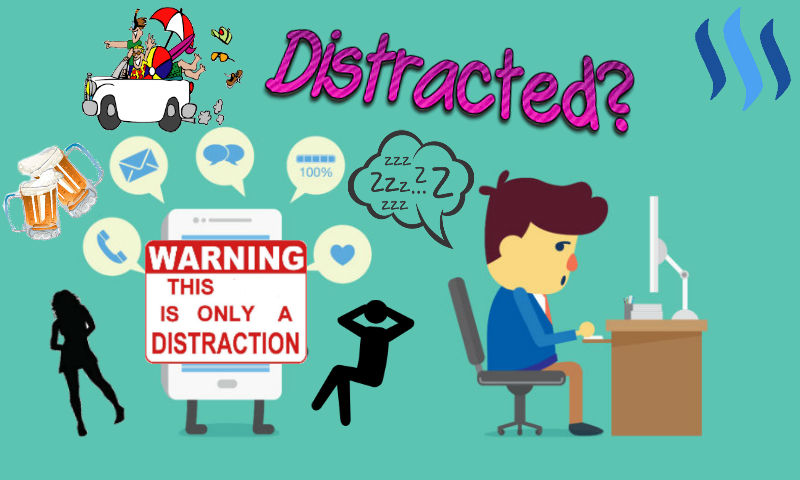
At Practical Insanity, we dive into the quirks of the human mind with a mix of humor and practicality. Today, we’re talking about the “squirrel brain”—that scattered, distractible state where your mind darts from one shiny object to the next like a squirrel chasing acorns. If you’ve ever found yourself starting ten tasks, finishing none, and wondering why you’re reading about medieval basket weaving instead of working, this post is for you. Let’s explore what it’s like to live with a squirrel brain, why it happens, and practical ways to get back on track.

What Is a Squirrel Brain?

Picture this: you sit down to write a report, but five minutes later, you’re reorganizing your desk, texting a friend, and Googling “why do squirrels forget their nuts?” That’s the squirrel brain in action. It’s a nickname for a mind that struggles to stay focused, constantly jumping between thoughts, tasks, or distractions. It’s not always a bad thing—squirrel brains are often creative, curious, and quick—but it can make productivity feel like herding cats.

This distractibility can stem from various sources: stress, information overload, or even neurodivergent conditions like ADHD. In a world buzzing with notifications, social media, and endless browser tabs, even the most disciplined among us can feel like we’re channeling our inner rodent.

The Struggle to Focus

Living with a squirrel brain means grappling with a few common challenges:

  • Task Overload: You start one project, but before it’s done, you’re onto the next. Your desk (or brain) is littered with half-finished ideas.
  • Shiny Object Syndrome: Every new idea or notification feels urgent, pulling you away from what matters.
  • Mental Fatigue: Constantly switching tasks drains your energy, leaving you frustrated and unproductive.
  • Guilt Spiral: You beat yourself up for not “getting it together,” which only makes focusing harder.

Sound familiar? You’re not alone. The modern world is practically designed to hijack our attention. But don’t worry—your squirrel brain doesn’t have to run the show. Here are some practical strategies to tame the chaos and find your focus.

How to Get Back on Track

1. Accept Your Squirrel Brain (It’s Okay to Be Nutty)

The first step is to stop fighting your brain’s natural tendencies. Distraction often comes from curiosity or creativity, which are strengths! Instead of feeling guilty, acknowledge that your brain loves to explore. Self-compassion reduces stress, which can make it easier to focus. Try saying, “Okay, brain, I see you chasing that shiny acorn. Let’s gently come back to this task.”

2. Create a “Squirrel Parking Lot”

Your brain loves new ideas, so give it a place to store them without derailing your work. Keep a small notebook or digital note-taking app (like Notion or a simple text file) for random thoughts. When a distraction pops up—say, “I should research eco-friendly paint!”—jot it down in your “squirrel parking lot” and return to your task. Review these notes later to decide what’s worth pursuing.

3. Break Tasks into Tiny Chunks

Big tasks can overwhelm a squirrel brain, making it easier to bolt toward something less daunting (like reorganizing your sock drawer). Break your work into bite-sized pieces. For example, instead of “write a blog post,” start with “write one paragraph” or “brainstorm three ideas.” Small wins build momentum and trick your brain into staying engaged.

4. Use the Pomodoro Technique

The Pomodoro Technique is a squirrel brain’s best friend. Set a timer for 25 minutes of focused work, followed by a 5-minute break. During the work block, commit to one task—no checking emails or scrolling X. During the break, let your squirrel brain run wild: stretch, grab a snack, or chase a random thought. After four cycles, take a longer break (15–30 minutes). This method harnesses your brain’s energy while giving it regular outlets for distraction.

5. Curate Your Environment

Your surroundings can either tame or unleash your squirrel brain. Minimize distractions by:

  • Turning off notifications: Silence your phone or use “Do Not Disturb” mode.
  • Decluttering your workspace: A clear desk helps a clear mind.
  • Using focus tools: Apps like Freedom or Cold Turkey can block distracting websites during work hours.
  • Adding gentle cues: A calming playlist or a scented candle can signal “focus time” to your brain.

6. Prioritize with the “One Thing” Rule

Each morning, ask yourself, “What’s the one thing I need to accomplish today?” Write it down and tackle it first, before your squirrel brain gets sidetracked. This doesn’t mean you ignore other tasks, but it gives you a clear anchor to return to when distractions arise.

7. Move Your Body

Physical movement can reset a scattered mind. A quick walk, some stretching, or even a 5-minute dance break can release pent-up energy and boost focus. Exercise increases blood flow to the brain, helping you think more clearly and resist the urge to chase every passing thought.

8. Practice Mindfulness (Even for 2 Minutes)

Mindfulness doesn’t have to mean hours of meditation. Try a quick 2-minute exercise: close your eyes, take deep breaths, and focus on the sensation of breathing. When your mind wanders (and it will), gently bring it back. This trains your brain to notice distractions without getting lost in them.

9. Celebrate Progress, Not Perfection

Squirrel brains often chase perfection, which can lead to procrastination or abandoning tasks. Instead, celebrate small victories. Finished a paragraph? Awesome. Stayed focused for 10 minutes? You’re killing it. Positive reinforcement keeps you motivated and reduces the guilt spiral.

When to Seek Extra Help

If your squirrel brain feels unmanageable or is impacting your work, relationships, or well-being, it might be worth exploring further. Conditions like ADHD, anxiety, or even sleep issues can amplify distractibility. Talking to a therapist, coach, or doctor can provide tailored strategies or, if needed, professional support.

Embrace Your Inner Squirrel

Having a squirrel brain isn’t a flaw—it’s a sign of a lively, curious mind. The key is learning to channel that energy into what matters most to you. By accepting your brain’s quirks and using practical tools like the Pomodoro Technique, a “squirrel parking lot,” or a clutter-free workspace, you can turn distraction into productivity. So, go ahead—chase a few acorns, but know you’ve got the skills to come back to the tree.

What’s your favorite way to tame your squirrel brain? Share your tips on X or in the comments below, and let’s keep the conversation going at Practical Insanity!

The Shift from Winter to Spring: Embracing Hope in Bloom

As the calendar flips to March, there’s a subtle shift in the air that’s hard to ignore. The biting chill of winter begins to loosen its grip, and the world feels like it’s waking up. Here we are, on the cusp of spring—my favorite season, and one that feels especially meaningful this year as I lean into my word for 2025: Hope.

Winter has its own quiet beauty, doesn’t it? The stark landscapes, the cozy nights by the fire, the way the snow (or frost, depending on where you are) hushes everything into stillness. But by mid-March, I’m ready to trade the heavy coats and gray skies for something lighter, something brighter. Spring arrives like a promise—a reminder that even after the longest, coldest months, renewal is possible. That’s where the hope creeps in, soft and persistent, like the first green shoots pushing through the soil.

The warm weather is what gets me every time. There’s nothing quite like stepping outside and feeling the sun on your face after months of bundling up. It’s as if the earth itself is exhaling, inviting us to do the same. I can already picture the windows thrown open, the breeze carrying the scent of blooming flowers, and the sound of birds that seem to sing with a little extra enthusiasm. It’s a season that feels alive, and it stirs something in me too—a sense that fresh starts aren’t just possible, they’re inevitable.

Of course, spring isn’t without its quirks. For every warm day and budding tree, there’s a cloud of pollen waiting to remind us that beauty often comes with a catch. My eyes are already itching just thinking about it, and I know I’ll be reaching for the tissues as much as I’ll be reaching for my sunglasses. But isn’t that life in a nutshell? We take the good with the bad, the sunshine with the sneezes, because the trade-off is worth it. A little discomfort can’t dim the glow of a season that practically radiates possibility.

That’s what hope is to me this year—not a blind optimism that ignores the messy bits, but a steady belief that the good outweighs the rough patches. Spring embodies that perfectly. It’s the courage of a daffodil breaking through the dirt, the warmth that lingers a little longer each day, the way nature shrugs off winter and says, “Let’s try again.” It’s a season that doesn’t pretend everything’s perfect, but dares us to see the beauty anyway.

So here’s to spring 2025—to the longer days, the softer air, and the hope that settles in like an old friend. Sure, I’ll be sniffling through the pollen and cursing the occasional muddy footprint tracked inside, but I’ll also be soaking up every second of this shift. Because at the end of the day, that’s what hope asks of us: to embrace the bloom, even when it comes with a little sting.

What about you? How does spring feel where you are? Let’s share the insanity—and the hope—of this season together.

Navigating Life in My 60s: Loss, Family, and Fragile Hips

I turned 60 a while back, and let me tell you, it’s not quite the golden era I’d imagined. Sure, there’s wisdom—or at least a knack for faking it—and a certain freedom in not caring what the neighbor thinks about my overgrown lawn. But lately, life has felt more like a high-wire act, balancing grief, family drama, and the relentless march of time. A year ago, I lost my mom to cancer. Now, my 89-year-old dad just took a fall and broke his hip. It’s a lot. And I’m not the only one feeling the weight—my siblings, my job, and my own headspace are all tangled up in this mess. Here’s what I’ve learned so far, and a few ways I’m trying to make it better.

The Emotional Rollercoaster

Losing Mom was brutal. Cancer doesn’t mess around—we had bonus years but they went by quickly, and even a year later, I catch myself reaching for the phone to call her about something trivial, like how to get a stain out of a shirt. That grief was still simmering when Dad fell. He’s 89, stubborn as a mule, and until recently, he was still shuffling around the house like he owned the place. Now he’s in a hospital bed, recovering from surgery and next step -rehab. And I’m staring down the reality that he’s not invincible. The emotions hit like waves: sadness, guilt for not being there when he fell, anger that life keeps piling on, and this weird nostalgia for when things were simpler.

My siblings feel it too, but we’re all processing it differently. Me? I’m trying to hold it together while quietly falling apart. It’s exhausting.

Siblings: Allies and Adversaries

Speaking of siblings, navigating this with them is its own circus. We’re a team, sure, but we’re also a mess of clashing opinions and personalities. I am thankful we pull together and can work as a team. My youngest sister is fantastic at the details, insurance, rehab, communicating with doctors. My middle sister is a massage therapist and comes in to sooth dad and give him reiki. My brother, he lives in a different state, is really good at telling it like it is when dad needs to hear the hard truth. Me, well, I don’t know what I really DO other than offer support, encouraging words and my time sitting with him. I’m the emotional one – I can cry on a dime and sometimes get too emotionally charged. I am grateful however, that the four of us seem to manage well together and not act like a bunch of teenagers fighting over a remote!

Work: The Unsympathetic Juggler

Then there’s work. I’m lucky in that I have several part time jobs (gig work I think is the term now). I seem to be managing to show up for the jobs that I am being employed with but my entrepreneurial work is suffering in a big way. It is challenging to make it all work well.

Finding Ways to Make It Better

So, how do we keep from drowning in all this? I’m no expert, but here’s what’s helping me—and might help you if you’re in the same boat:

  1. Lean on Each Other (When Possible)
    My siblings and I aren’t perfect, but we’ve started a group text just for updates on Dad. No arguing, no guilt trips—just facts. It’s a small thing, but it cuts through the noise. Find the one channel that works for your family, and use it.
  2. Steal Moments for Yourself
    I’ve started walking around the block with my dog Rex. It’s 15 minutes of quiet where I can breathe, think about Mom without breaking down, and brace myself for whatever’s next. Carve out something, anything, that’s yours.
  3. Ask for Help
    I hate doing it, and I haven’t been able to do this to be honest – but I am a work in progress and will get there!
  4. Laugh When You Can
    Dad’s still got his sense of humor, cracked hip and all. Find the absurd in the awful—it’s there if you look.
  5. Let the Guilt Go (or Try To)
    I wasn’t there when Dad fell. I didn’t catch Mom’s cancer sooner. I could “should’ve” myself to death, but it doesn’t change a thing. I’m doing my best, and that’s enough.

The Road Ahead

Dad’s being moved to rehab tomorrow. He cam through surgery like a champ for his age and now he has to do the hard work of recovery. Will he bounce back? Will we figure out how to care for him? I don’t know. What I do know is that being in my 60s isn’t just about slowing down—it’s about facing the hard stuff head-on, with a little more grace than I had at 40. Mom’s gone, Dad’s fragile, and my siblings and I are a work in progress. But we’re in it together, and somehow, that’s got to be enough.

If you’re juggling your own version of this insanity, drop a comment. I’d love to hear how you’re making it through. For now, I’m off to the hospital with a coffee in hand and a prayer in my pocket. Here’s to surviving the practical insanity of it all.

Bold Moves – Get in the Game

2025 is not only a year of HOPE, it’s a year of BOLD MOVES for me. I am excited to be back in the game and ready to move those pieces on my board again.

As I look back on last year I am not going to say I wasted time or feel sorry for myself for the choices I made. I can look back with compassion and give myself grace that I allowed time for grief, time for introspection and hibernation. When you lose an angel part of you is lost. It takes time to heal from that loss.

So here some bold moves I plan to implement in these first months of 2025…

  1. ballroom dancing
  2. non negotiable morning routine
  3. phone silenced during working hours
  4. more date nights
  5. choosing the book over the television
  6. one on one Italian lessons
  7. notes of joy and texts
  8. more greens
  9. weights added to my exercise routine
  10. certification in place to start my passion project

That’s what is in (at least a few things) …. Now here’s what’s out

  1. stressing over things I can’t control
  2. people pleasing
  3. other people’s opinions
  4. wasting time
  5. scrolling
  6. doing things I don’t enjoy or do not move the ball forward for my goals
  7. being silent

My angels, my cheerleaders, thank you in advance for holding me accountable to this and so much more. I am keenly aware there will be hard days and skinned knees. There will be successes and some failures. There will be ease and friction. That is the stuff of life.

Let’s all make a pact to get in the game.

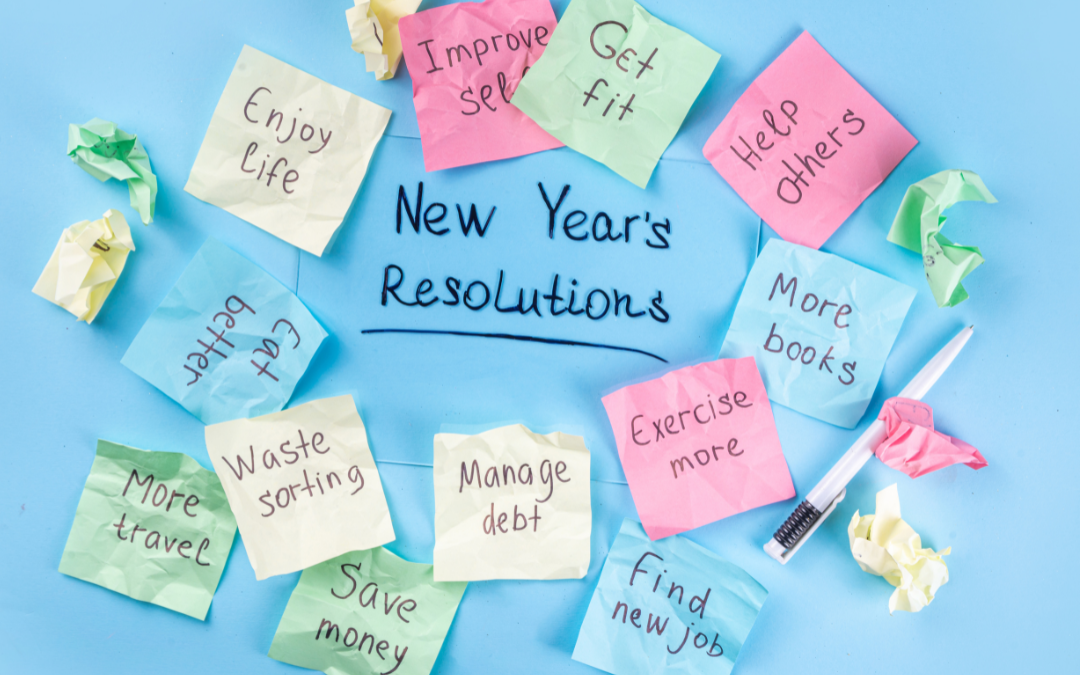
New Year: A Calendar Shift or a Catalyst for Change?

As the clock strikes midnight on December 31st, millions of people around the world celebrate the symbolic transition into a new year. We cheer, we make resolutions, and we embrace the idea of new beginnings. But does the simple act of flipping a calendar page truly signify change? Or is it merely a societal ritual, leaving us the same as we were the day before?

The truth lies somewhere in between. A new year is not an automatic reset button. We don’t wake up on January 1st as entirely new people, nor do our circumstances magically transform. The calendar may provide a fresh framework, but real, lasting change requires intention, effort, and a grounded approach.

The Problem with “New Year, New Me”

The cultural narrative around New Year’s resolutions often sets us up for failure. We create lofty, vague goals (“Get fit” or “Be more productive”), only to abandon them a few weeks later. Why? Because these goals are often:

  1. Unrealistic: Setting overly ambitious targets can lead to burnout or disappointment.
  2. Unclear: Vague resolutions lack actionable steps, making them harder to achieve.
  3. Externally Motivated: Resolutions born from societal pressure rarely align with our deeper values.

When the initial enthusiasm fades, we’re left feeling stressed, guilty, or inadequate—a far cry from the positivity we’d hoped to cultivate.

How to Make Positive, Meaningful Changes

If the turning of the year doesn’t inherently change us, how can we harness this symbolic moment to create meaningful progress in our lives? Here are some practical strategies:

  1. Reflect, Don’t Reset Instead of trying to reinvent yourself overnight, take time to reflect on the past year. What worked? What didn’t? What lessons can you carry forward? Reflection helps you approach change with a sense of self-awareness rather than pressure.
  2. Set Intentions, Not Resolutions Shift your focus from rigid resolutions to flexible intentions. For example, instead of saying, “I will go to the gym five times a week,” try, “I intend to move my body more regularly in ways that feel good to me.” Intentions are less about perfection and more about progress.
  3. Start Small Big changes are built from small, consistent actions. If your goal is to read more, commit to reading one page a day. If you want to improve your health, start by drinking an extra glass of water daily. Small steps are sustainable and build momentum over time.
  4. Focus on Systems, Not Goals Goals give you direction, but systems keep you moving. If you want to save more money, for instance, create a system like automating a portion of your paycheck into savings. Systems make the process easier and more automatic.
  5. Practice Self-Compassion Change is rarely linear. There will be setbacks, and that’s okay. Treat yourself with kindness when things don’t go as planned. Remember, progress is more important than perfection.
  6. Revisit Your Intentions Regularly Life is dynamic, and so are you. Periodically check in with your intentions to ensure they’re still aligned with your values and circumstances. Adjust as needed—growth is an ongoing process.

Moving Beyond the Calendar

Ultimately, a new year is what you make of it. The date on the calendar is merely a marker; the real power lies in your mindset and actions. If the idea of “new beginnings” inspires you, embrace it. If it doesn’t, remember that meaningful change can happen at any time—not just when the clock strikes midnight on January 1st.

So as we step into this new year, let’s trade pressure for purpose, resolutions for reflection, and stress for self-compassion. Change doesn’t happen because the year is new; it happens because you choose to take meaningful steps forward—one day, one moment, one intention at a time.